
Are you wondering how to increase iron levels quickly? You’re not alone. Deciding whether to boost your iron intake through diet or supplements is a common dilemma: Which method is better and faster? My battle with hair loss due to low iron levels led me on a journey to discover the most effective strategies that not only improved my iron levels rapidly but also enhanced my overall energy and thyroid. In this blog post, I’ll share insights into the common causes of low iron, best ways to increase iron level quickly , and the pros and cons of relying on supplements.

What’s the Optimal Iron and Ferritin Levels According To Functional Medicine?
Ferritin level is actually a more reliable indicator of iron deficiency than serum iron because they reflect the body’s iron stores, providing a stable measure over time and detecting iron depletion early. Unlike the fluctuating serum iron, ferritin levels decrease only when the body’s iron reserves are low, making it a sensitive marker for diagnosing iron deficiency before severe symptoms of fatigue and hair loss occur.
According to functional medicine ranges for optimal health which are much narrower than regular ranges you want to aim for iron levels around 100 ug/dl and ferritin between 70 – 100 ng/ml
| Standard Range | Functional Medicine Range | |
| Iron level | 50 – 170 ug/dl | 80 – 120 ug/dl |
| Ferritin level | 10 – 300 ng/ml | 70 – 100ng/ml |
How much iron do you need per day?
- Adult women (age 19-50): 18 mg per day
- Pregnant women: 27 mg per day
- Breastfeeding women: 9 mg per day
- Women age 51+: 8 mg per day
Common Causes of Low Iron Levels
Iron deficiency is a common nutritional problem, especially among women. Low iron can lead to symptoms like fatigue, pale skin, and, as I experienced firsthand, hair loss. Here are the key reasons you might be low on iron:
- Inadequate dietary intake: Particularly in diets that exclude animal products which is a major source of easily absorbed heme iron.
- Increased iron needs: Pregnancy, heavy menstrual cycles or even intense exercise can hike up your body’s iron requirements.
- Poor iron absorption: Issues like low stomach acid and gut dysbiosis can hinder your ability to absorb iron.
- Diet rich in iron inhibitors: Moreover, high consumption of foods high in phytates and phytic acid (corn, almonds, peanuts and also certain grains and legumes) can contribute to poor iron absorption. Then coffee and calcium (milk, cheeses etc) are known to inhibit iron absorption. Of course consuming those foods in moderation is not an issue if you also consume high iron foods alongside. The problem starts where there is high need for iron, low iron intake with food and high intake of foods that inhibit iron absorption + high stress that lowers stomach acids and disrupts your gut.

Less Common Causes of Low Iron Levels
There are also less common causes of iron deficiency:
- Parasites: Parasites feed on iron so if you are constantly low in iron despite doing everything right, then it may be wort checking if you may have parasites. You can do that by doing parasite test or comprehensive stool test like GI 360 for example that includes parasitology
- Autoimmune Conditions: Autoimmune disorders like Hashimoto’s or rheumatoid arthritis for example, can cause chronic inflammation that interferes with iron metabolism and utilization.
- Genetic Factors: Certain genetic conditions, such as hereditary hemochromatosis or thalassemia, affect how iron is metabolized and absorbed, though they more commonly cause iron overload, not deficiency
How I Increased My Iron and Ferritin Levels Quickly
So let’s take a look at what are best ways to increase iron levels quickly.
I’m always saying the more iron and nutrients overall you can get from food the better. When I set myself the goal to increase iron levels, reaching out for supplements was the last resort. Luckily, I never had to go that route thanks to my diet adjustments.
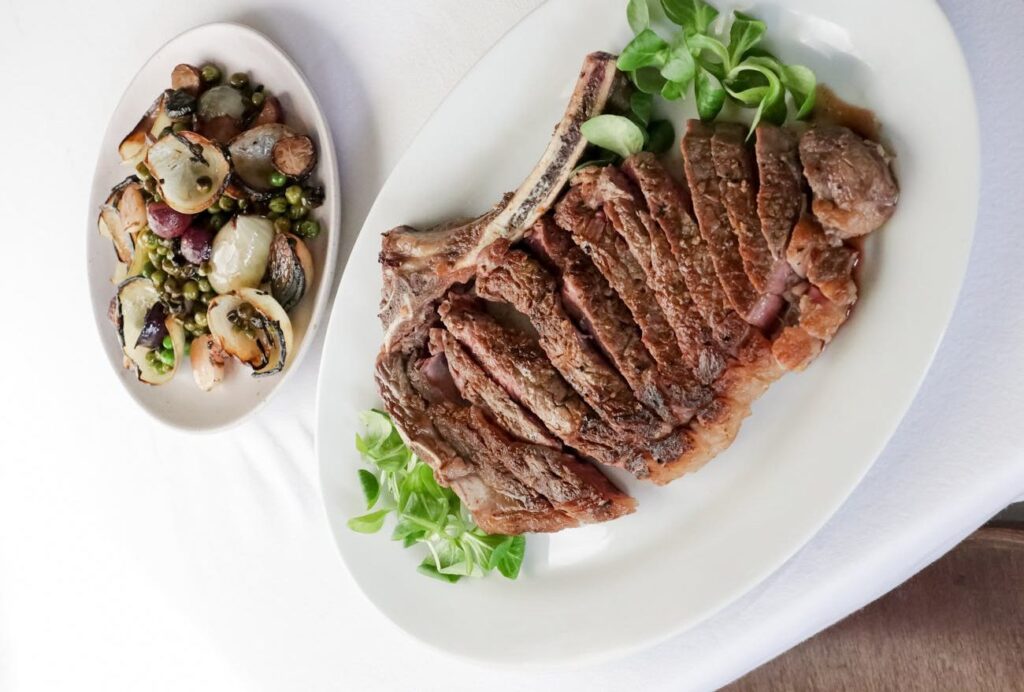
- What I have changed was to include eating grass fed organic beef 3 times a week, chicken organic chicken liver once a week and adding parsley to my meals. I was also drinking nettle tea each day and nettle juice for extra iron boost.
- Additionally I added apple cider vinegar before each meal to ensure my stomach acid levels are optimal as that what helps to absorb iron.
Iron – Rich Recipes:
Below I’m also sharing my 3 to go quick recipes that you can use to increase your iron levels:
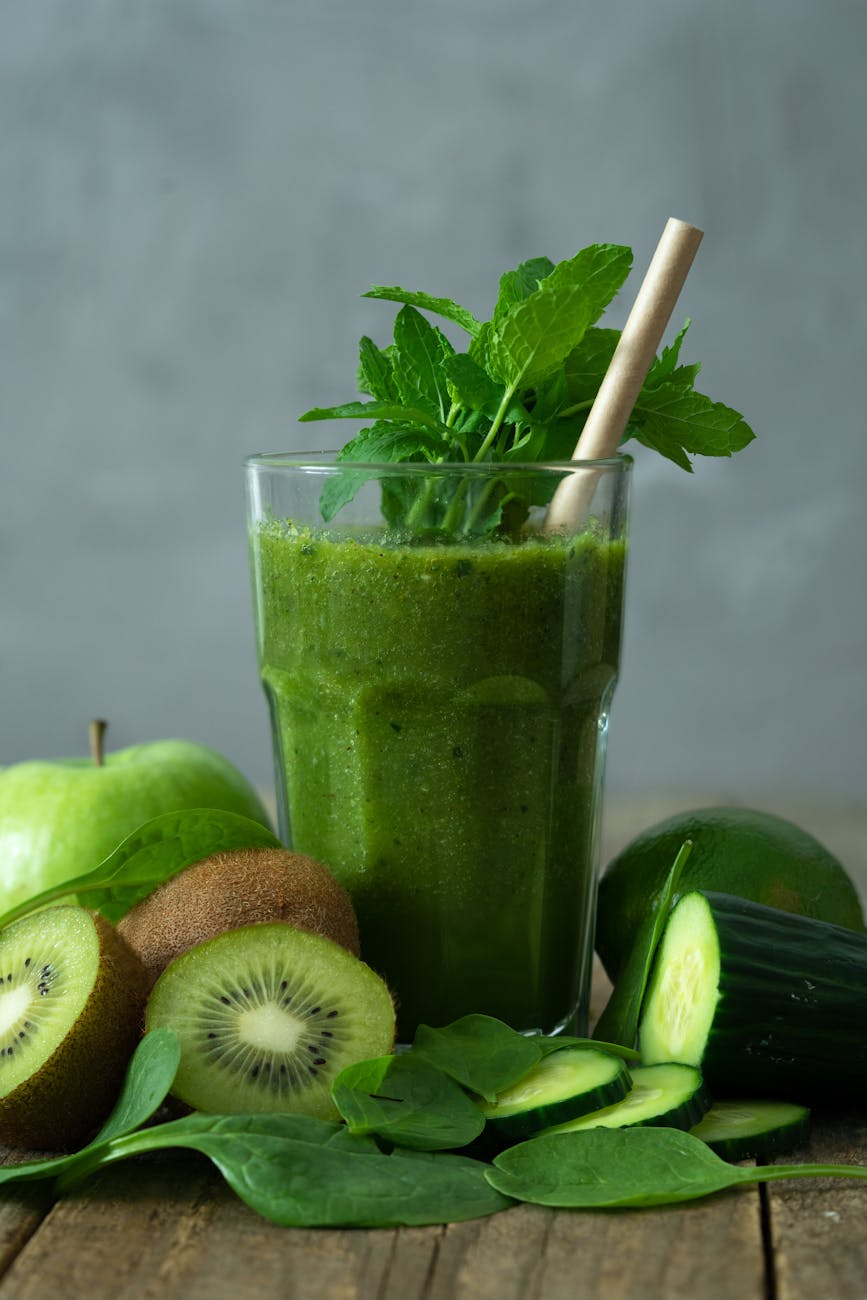
- Green smoothie: 2 kiwis, bunch of parsley and a bit of water. I used coconut water and also added slice of pineapple for more exotic taste:) You can also add Moringa powder or nettle juice for extra iron boost.
- Beef bowl: organic ground beef (150g), cooked beetroots (50g), chopped parsley, handful of pumpkin seeds and tahini paste or butter to make it more flavoursome
- Chicken liver: organic chicken liver (100g), sliced red onions (1/4 onion) a bit of salt and pepper. Here you have example of some simple recipe.
These are very basic, so feel free to add more ingredients if you enjoy cooking. For me, when I’m busy, what matters is making something quick and tasty, but it doesn’t have to be a Michelin 5-star experience.
How Long Does It Take To Increase Iron Levels?
It usually depends how deficient you are in iron and ferritin. You can see changes in as little as 2 weeks but to significantly increase your iron levels you may need even 8 to 12 weeks. I retested my blood in 3 months and I was genuinely surprised! My ferritin went up from 42 ng/ml to 68ng/ml without supplements! Also my zinc was finally at optimal level as that was another thing my body constantly struggled.
What Foods Help To Increase Iron Quickly
So apart from foods that helped me to increase iron levels, there are also other foods rich in iron that you can consume as well to boost your iron levels. Below sharing the list of iron rich foods:
| Food | Iron content ( % RNI* ) |
| Chicken liver | 12.9 mg / 100g (72%) |
| Cuttlefish | 10.8mg / 100g (60%) |
| Beef | 5.5 mg (30%) |
| Large white beans | 3.7mg / 100g (21%) |
| Dark chocolate | 3.4mg / 30g (19%) |
| Artichokes | 3.4mg / 100g (19%) |
| Parsley | 3.1mg / 50g (17%) |
| Cooked Quinoa | 2.8mg / 1 cup (15%) |
| Pumpkin seeds | 2.4mg / 30g (13%) |
| Moringa | 2.4mg / 1 tsp (13%) |
And remember, if you consume iron rich foods from plant sources pair it with vitamin rich foods like bell peppers, broccoli, kiwi, pineapple etc. Vitamin C helps to absorb non-heme iron from plant sources.
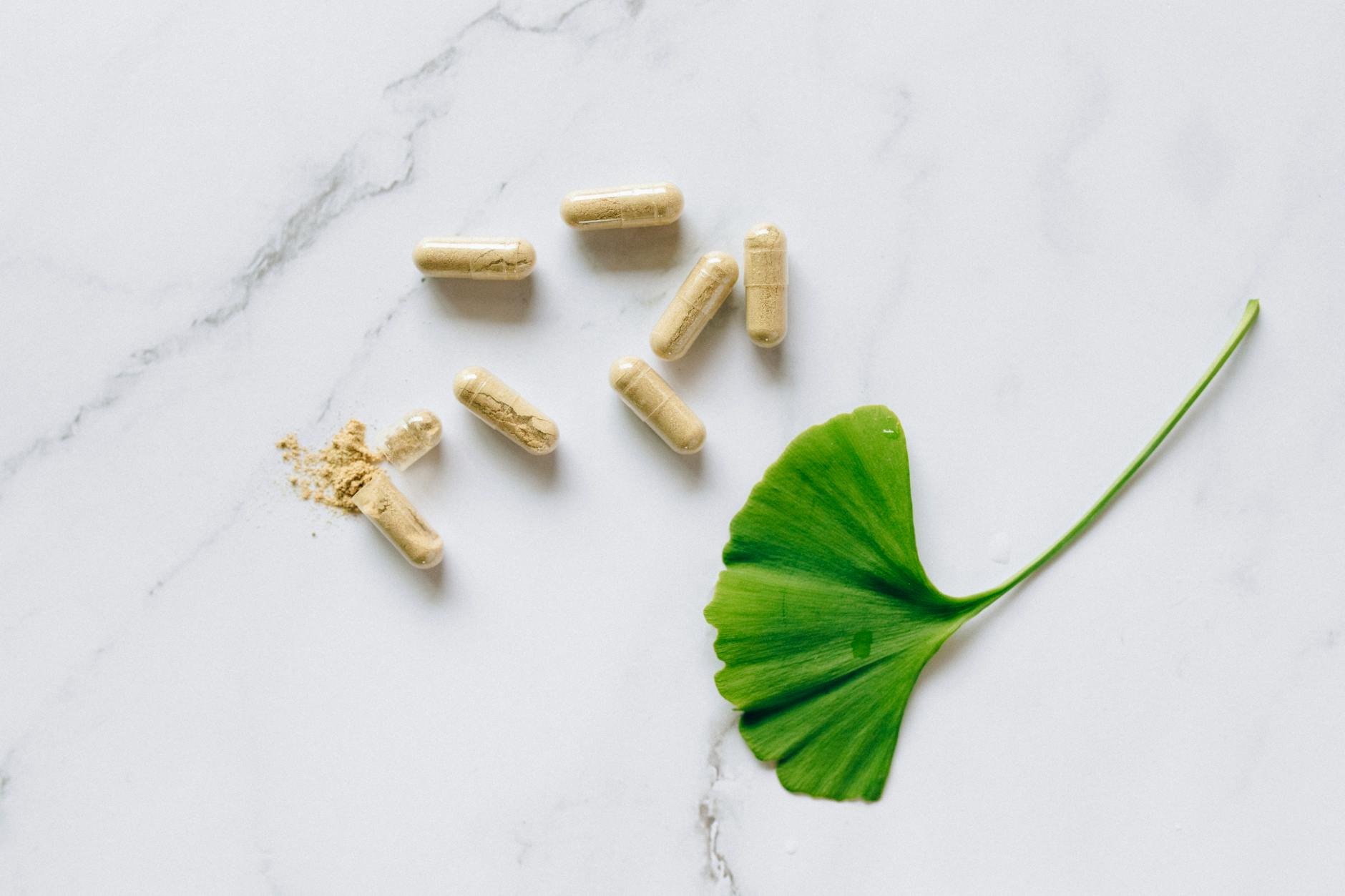
Pros and Cons of Using Supplements to Increase Iron Levels Quickly
Supplements are also a good way to increase low iron levels quickly, however they come with potential downsides:
Pros:
- Immediate Effect: Supplements can quickly elevate iron levels, addressing deficiency symptoms efficiently.
- Accurate Dosing: They provide a specific amount of iron, helping to avoid the guesswork involved in dietary sources.
Cons:
- Side Effects: Supplements can cause gastrointestinal issues like constipation, stomach upset and nausea.
- Overdose Risks: High iron levels can be toxic, emphasizing the need for careful dosage management and regular blood work.
You can read here more about dangers of taking iron supplements