
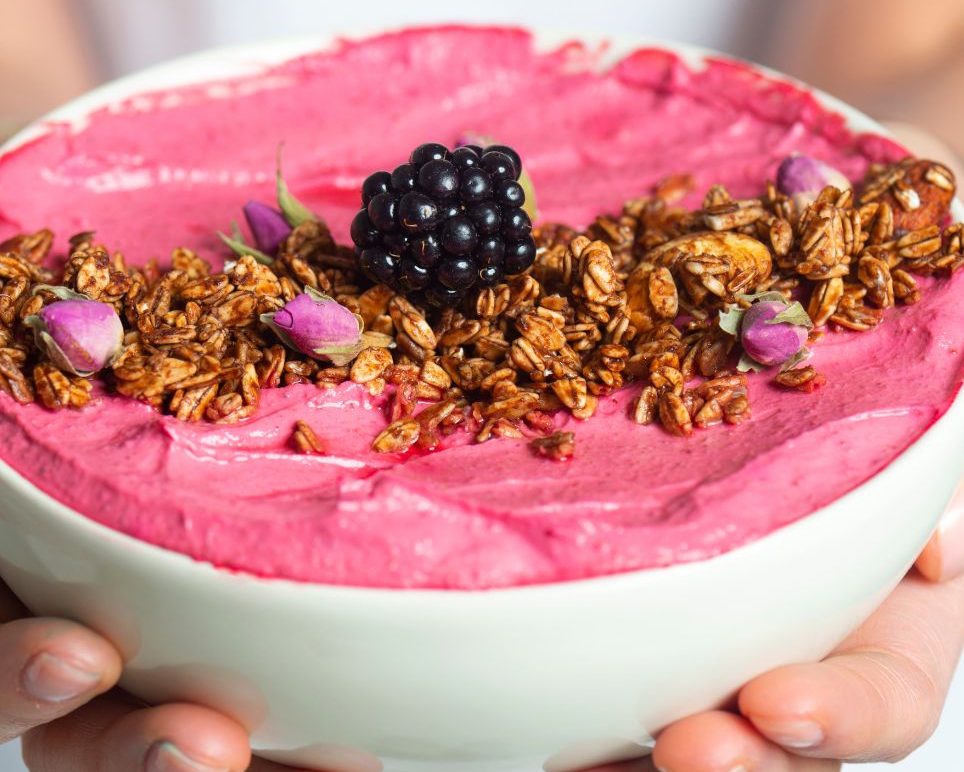
pcos diet weight loss
Are you struggling with weight gain and hormonal imbalances caused by Polycystic Ovary Syndrome (PCOS)? If so, you’re not alone!
PCOS affects millions of women worldwide, making it one of the most common hormonal disorders. The good news is that with the right PCOS diet, you can regulate your hormones and achieve weight loss. I reversed my PCOS so I know it’s 100% possible!
The Ultimate PCOS Diet For Weight Loss: Regulate Hormones and Lose Weight
In this post, I will guide you through the ultimate PCOS diet for weight loss, providing you with practical tips and insights to help you on your journey to better health. I will share with you the foods you should focus on and the ones to avoid, as well as the importance of meal planning and portion control. My goal is to provide you with an evidence-based approach to managing PCOS through diet and healthy eating habits. Remember, you don’t have to face PCOS alone – with the right tools and knowledge, you can take control of your health and reach your weight loss goals. Let’s get started on this empowering journey together.
What is PCOS and its Impact on Weight Loss
Polycystic Ovary Syndrome (PCOS) is a complex hormonal disorder that affects women of reproductive age. It is characterized by a range of symptoms, including irregular menstrual cycles, excessive hair growth, acne, and weight gain. One of the most significant challenges women with PCOS face is managing their weight.
Research indicates that a majority of women with this condition struggle with obesity or being overweight, which can exacerbate other symptoms and lead to long-term health issues such as diabetes and heart disease.
Understanding the connection between PCOS and weight is essential for developing effective strategies for weight loss.
Understanding Different Types Of PCOS For Weight Loss
PCOS can make weight loss harder but with the right approach you can lose weight with PCOS and also reverse PCOS naturally! Let’s dive in first into different types of PCOS. Understanding the underlying mechanism beyond weight gain with PCOS is crucial for effective weight management and choosing the right weight loss strategy.
So PCOS can be classified into several types, each with unique triggers and characteristics:
PCOS Types:
- Insulin-resistant PCOS is driven by the body’s inability to effectively use insulin. This leads to higher levels of insulin in the bloodstream, which can promote fat storage and hinder weight loss efforts. It’s one of the most common types of PCOS.
- Androgen-driven PCOS is characterized by elevated male hormones, resulting in symptoms like hair growth and acne. Moreover, excess testosterone can convert to estrogen thus causing weight gain, particularly around the abdomen or difficulties in losing weight. High androgen levels can also affect metabolism, leading to a decrease in muscle mass and an increase in body fat. This hormonal imbalance can create challenges in weight management, as traditional weight-loss strategies may not be as effective for those with elevated androgen levels. When dealing with androgen driven PCOS, it is crucial for women to adopt a diet and lifestyle that support blood sugar regulation. As that can help mitigate excess testosterone production and ultimately help with weight loss
- Adrenal-driven PCOS usually stems from excessive stress, poor blood sugar regulation or overexercising. That causes an overproduction of cortisol and DHEA. Both can lead to weight loss problems as well. Exhausted adrenals were one of the big drivers in my PCOS.
- Post-birth control PCOS occurs when symptoms appear after stopping contraceptive pills, disrupting hormone regulation. One of the side effects hormone dysregulation is weight gain unfortunately.
- Lastly, inflammation-driven PCOS is linked to chronic low-grade inflammation, impacting the body’s ability to balance hormones and lose weight.
Recognising these different PCOS types is key to developing personalised approaches to the PCOS treatment, PCOS friendly diet and successful weight loss. Moreover, weight gain can create a vicious cycle for those with PCOS. Increased weight can lead to heightened insulin resistance, which can further exacerbate hormonal imbalances and metabolic issues.

How Stress Can Cause Insulin Resistance Driven PCOS
Stress is increasingly recognized as a significant factor in the development of insulin resistance-driven PCOS. Chronic stress can exacerbate these issues by triggering an overproduction of cortisol, the primary stress hormone. It can also cause low grade inflammation or so called silent inflammation which is another contributing factor to weight gain. Moreover, it can also make insulin resistance worse. Elevated cortisol levels disrupt normal insulin function, making cells less responsive and leading to higher blood sugar levels.
That means you can develop insulin resistance, not because of excess carbohydrate intake and sugar but purely by being constantly stressed! Addressing stress is, therefore, essential in a holistic approach to mitigating PCOS symptoms and achieving sustainable weight loss.
The Role of Hormone Imbalances in PCOS
Additionally, hormonal fluctuations throughout the menstrual cycle can influence appetite and cravings. Many women with PCOS report increased cravings for carbohydrates, particularly during the luteal phase of their cycle. This can lead to overeating and further weight gain. Understanding these hormonal influences can empower women with PCOS to make informed dietary choices and implement strategies that align with their hormonal fluctuations, ultimately aiding in weight loss and overall well-being.
Here is a good hormone blood test to check your levels or DUTCH home test – the most comprehensive hormone test on the market that will also help you understand how your body metabolises hormones, cortisol and also give you a good overview on adrenal health
Balanced PCOS Diet For Weight Loss
A balanced diet is fundamental for managing PCOS and effective weight loss. Unlike fad diets that promise quick results, a well-rounded approach focuses on nourishing the body with the right nutrients to support hormonal balance and metabolic health.
A balanced diet typically includes a variety of whole foods, such as fruits and vegetables high in antioxidants (berries, pomegranate, papaya, aubergine, bell peppers, broccoli sprouts), low lectins whole grains (quinoa), lean quality proteins, and healthy fats.
Additionally, tailoring your diet to support the dominant imbalance, whether it’s insulin resistance, high androgens, exhausted adrenals, or systemic inflammation, can help you achieve results faster
Example:
For example when trying to tackle insulin resistance PCOS, it’s improtant to find a balance between reducing excess carboydrates intake but also getting the minimum amount necessary for hormonal balance, especially when exercising or being under a lot of stress. When facing an androgen driven PCOS, blood sugar balance is the key. That means each of your meal should include adequate amount of fibre, protein and healthy fats to balance blood sugar spikes and also to improve insulin sensitivity. As insulin resistance can also contribute to excess androgen levels.

Say NO To Restrictions!
Moreover, a balanced diet should be sustainable and enjoyable. Restrictive diets can lead to feelings of deprivation and may not be feasible in the long term. Instead, focusing on incorporating a variety of foods can help create a positive relationship with food, making it easier to adhere to healthy eating patterns. Of course for effective weight loss you need to be in a slight calorie deficit but don’t cut more than 20% of the normal calorie intake for prolonged period of time.
By finding a balanced approach and enjoyable diet, women with PCOS can lose weight while also nourishing their bodies and gradually improving their PCOS
Foods to Include in a PCOS Diet for Weight Loss
When it comes to improving PCOS and supporting weight loss, certain foods can be particularly beneficial.
- First and foremost, incorporating a variety of fruits and vegetables into the diet is essential. These foods are not only rich in vitamins and minerals but also high in fiber, which helps regulate blood sugar levels and improve digestive health. Fruits are also a great source of electrolytes – very important for cortisol balance and adrenal driven PCOS.
- Aim for a colorful plate by including a wide range of produce, such as leafy greens (lambs lettuce, endive or rucola), organic berries, broccoli sprouts and cruciferous vegetables. However if apart from PCOS you struggle with underactive thyroid, make sure you balance cruciferous vegetables with enough iodine rich foods like seaweed, cod and eggs.
- Whole, low lectins grains are another integral component of a PCOS-friendly diet. Unlike refined grains, whole grains with low lectin concentration, provide fiber and nutrients, which can help maintain stable blood sugar levels without damaging impact on your gut. Choose grains like quinoa or white rice for example.
- Then, lean proteins are also critical for women with PCOS. If possible choose organic and grass fed meats. Foods such as organic chicken, grass fed beef, eggs are great choices. You can also balance it with plant-based proteins like tempeh for example. Including a source of protein in every meal can aid in balancing blood sugar levels and preventing hunger spikes.
- Adequate protein intake can make you feel fuller for longer, making it easier to manage hunger and prevent overeating. Aim for 0.8-1.2g / kg of body weight of protein a day. Best to spread it into 20-30g protein per meal max. You can read more about protein intake here
- Additionally, healthy fats, such as those found in nuts, seeds, and avocados, should not be neglected. These fats are vital for hormone production and can help reduce inflammation, further supporting weight loss efforts. Read more here how to boost your omega 3 intake in your diet – super important for PCOS!
Foods to Avoid in with PCOS

Sugary Foods
While certain foods can enhance health and weight loss for women with PCOS, others can exacerbate symptoms and hinder progress. One of the primary categories to limit is refined carbohydrates and sugars.
Foods like white bread, pastries, sugary snacks, and sweetened beverages can cause rapid spikes in blood sugar and insulin levels, leading to increased cravings and weight gain. I also advise my clients to stay away from sweeteners as they may seem like guilt free but they are not.
If you struggle with sugar craving. Here you can download my FREE guide to overcome sugar cravings in 14 days
Another group of foods to avoid includes processed and highly refined foods. These often contain unhealthy fats, preservatives, and additives that can contribute to inflammation and hormonal imbalances. Fast food, packaged snacks, and processed meats should be limited in favor of fresh, whole foods.
By reducing the intake of these foods, women with PCOS can support their weight loss efforts and improve their overall health. I highly encourage everyone to read the labels and as a rule of thumb the less ingredients the better.


Moreover, for women with adrenal driven PCOS, reducing coffee intake can be extremely helpful. Alternatively, you can try adding some cortisol balancing adaptogenic herbs or mushrooms like reishi for example.
Additionally, dairy products may be a concern for some women with PCOS. While not everyone will have issues with dairy, some studies suggest a potential link between dairy consumption and increased insulin levels because of growth hormone. It may be helpful to monitor how your body reacts to dairy and consider alternatives such as almond milk or coconut yogurt.
Ultimately, focusing on whole, nutrient-dense foods while minimizing processed options is key to managing PCOS symptoms and achieving sustainable weight loss.
Meal Planning and Portion Control for PCOS Weight Loss
Effective meal planning is a cornerstone of a successful PCOS diet and can significantly aid in weight loss efforts. Planning meals ahead of time ensures that you have healthy options readily available, reducing the temptation to reach for convenience foods. Start by dedicating time each week to create a meal plan that incorporates a variety of foods from all the food groups. This not only helps with variety but also ensures you are meeting your nutritional needs. I usually aim to spent 1h twice a week for meal prep.
Portion control is equally important in managing calorie intake and promoting weight loss. Im not really advocate for calorie countied for weight loss but the fact is that for successful weight loss you need to be in a slight calorie deficit. What can be helpful is to calculate your caloric intake for your usual day to get some idea and have reference how much you can eat. Understanding serving sizes can help create a better relationship with food and prevent mindless eating. It can also be helpful to practice mindful eating by slowing down during meals, savoring each bite, and recognizing hunger and fullness cues.
It takes approximately 20 minutes from the time you start eating for your brain to send out signals of fullness

Healthy snacks for PCOS (Weight Loss Friendly)
In addition to planning meals, preparing snacks in advance can also be beneficial. Healthy snacks, such as:
- cut-up vegetables with guacamole and keto crackers,
can help bridge the gap between meals and prevent cravings for unhealthy options. Having nutritious snacks on hand makes it easier to stick to your dietary goals and supports weight loss by keeping your metabolism active throughout the day. By combining meal planning with portion control, women with PCOS can create a sustainable approach to eating that promotes weight loss and overall health.
Key Takeaways For Taking Control of Your PCOS and Achieving Weight Loss
Managing PCOS and achieving weight loss can be a challenging journey, but it is entirely possible with the right approach. By understanding the impact of PCOS on weight and the role of hormones, women can make informed choices about their diets and lifestyles. Prioritizing a balanced diet that includes whole foods, practicing portion control, and planning meals can create a sustainable foundation for weight loss.
Incorporating regular exercise and making lifestyle changes, such as improving sleep quality and managing stress, can further enhance efforts to regulate hormones and achieve weight loss. Additionally, exploring supplements and herbs may provide additional support in the journey toward better health. Ultimately, taking control of PCOS involves a holistic approach that combines dietary changes, physical activity, and emotional well-being.
It’s important to remember that every woman’s experience with PCOS is unique, and what works for one person may not work for another. Therefore, it’s essential to listen to your body, seek professional guidance, and make adjustments as needed. With patience, dedication, and the right strategies, women with PCOS can overcome challenges, regulate their hormones, and achieve their weight loss goals, leading to a healthier and more fulfilling life.