
In recent years, the organic food movement has gained significant momentum. Organic foods are often praised for being free from synthetic pesticides, herbicides, and other chemicals. However, some conventionally grown foods have a low pesticide residue or even similar residue levels as their organic counterparts. If you’re looking to minimise pesticide exposure but your budget is a concern or simply there are no shops around selling organic products, here is a brief list of low pesticides fruits and vegetables. Additionally I will share few other harmful compounds other than pesticides that are quite common even in organic products!
As a rule of thumb, the thicker skin of a fruit or vegetable the less likely it will highly contaminated with pesticides.
10 fruits and vegetable low in pesticides
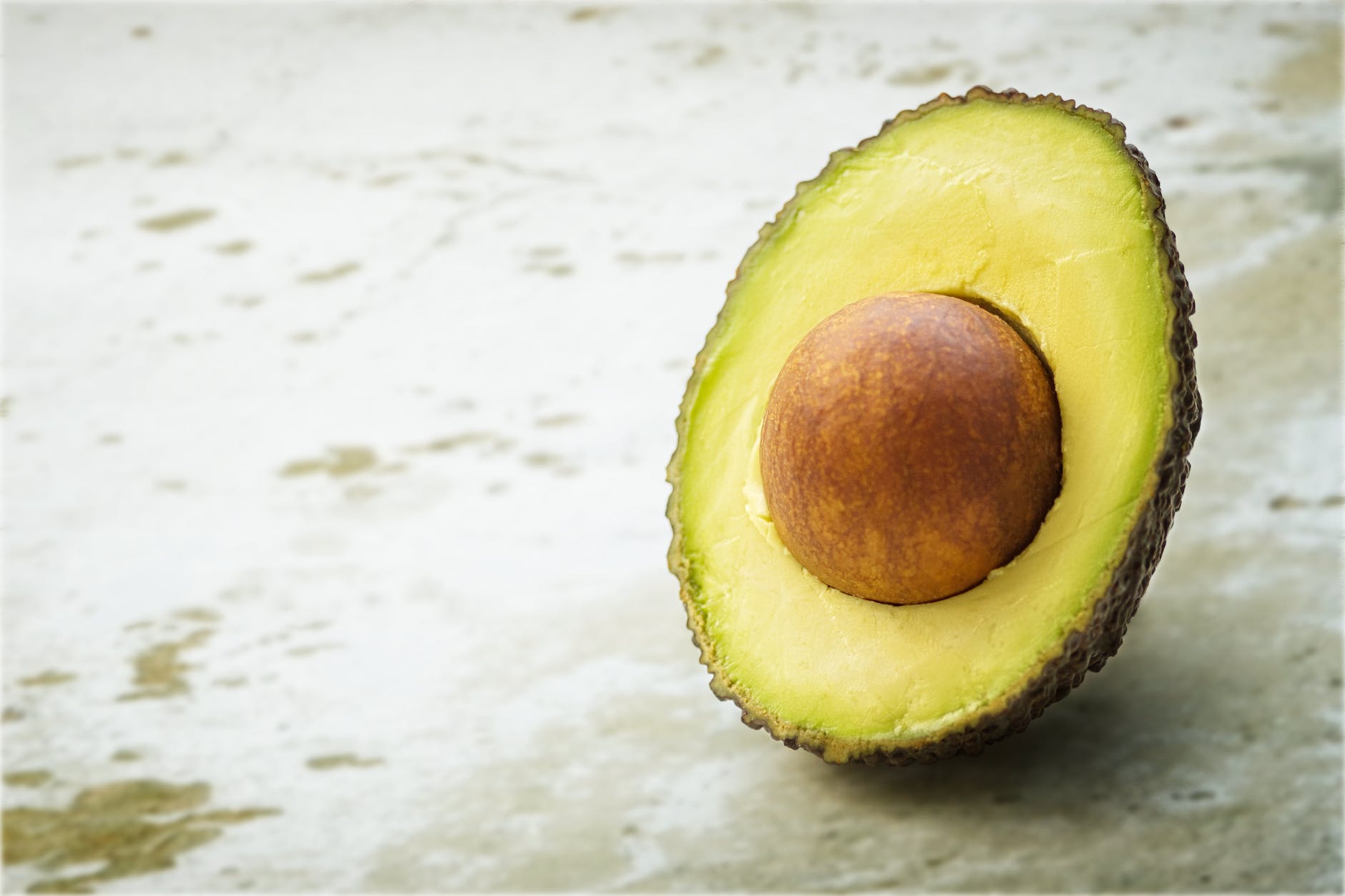
1. Avocados – avocados have a thick skin that protects the fruit from pesticide residues. The Environmental Working Group (EWG) has consistently listed avocados on its “Clean Fifteen” list, meaning it’s one of the least contaminated fruits in terms of pesticides.
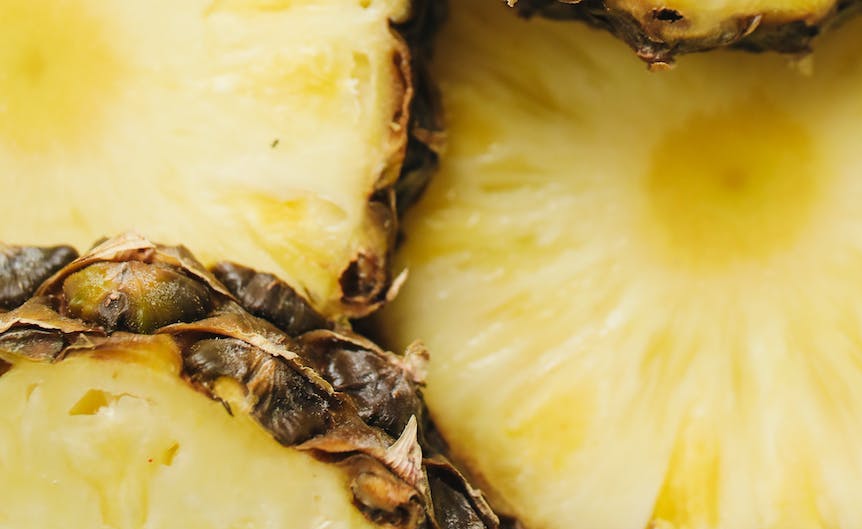
2. Pineapple – The tough, spiky exterior of pineapples acts as a natural barrier against pesticides. Like avocados, they frequently rank low in pesticide residue tests.
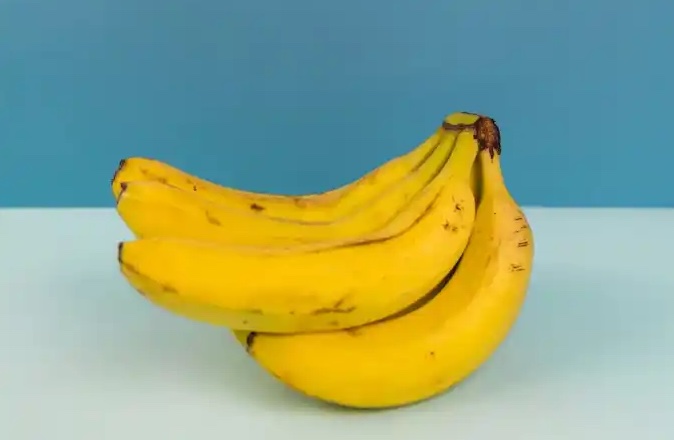
3. Bananas – Bananas have a thick peel, which is removed before consumption. Therefore, the edible part of the banana is less likely to contain significant amounts of pesticides compared to fruits and vegetables that are consumed whole
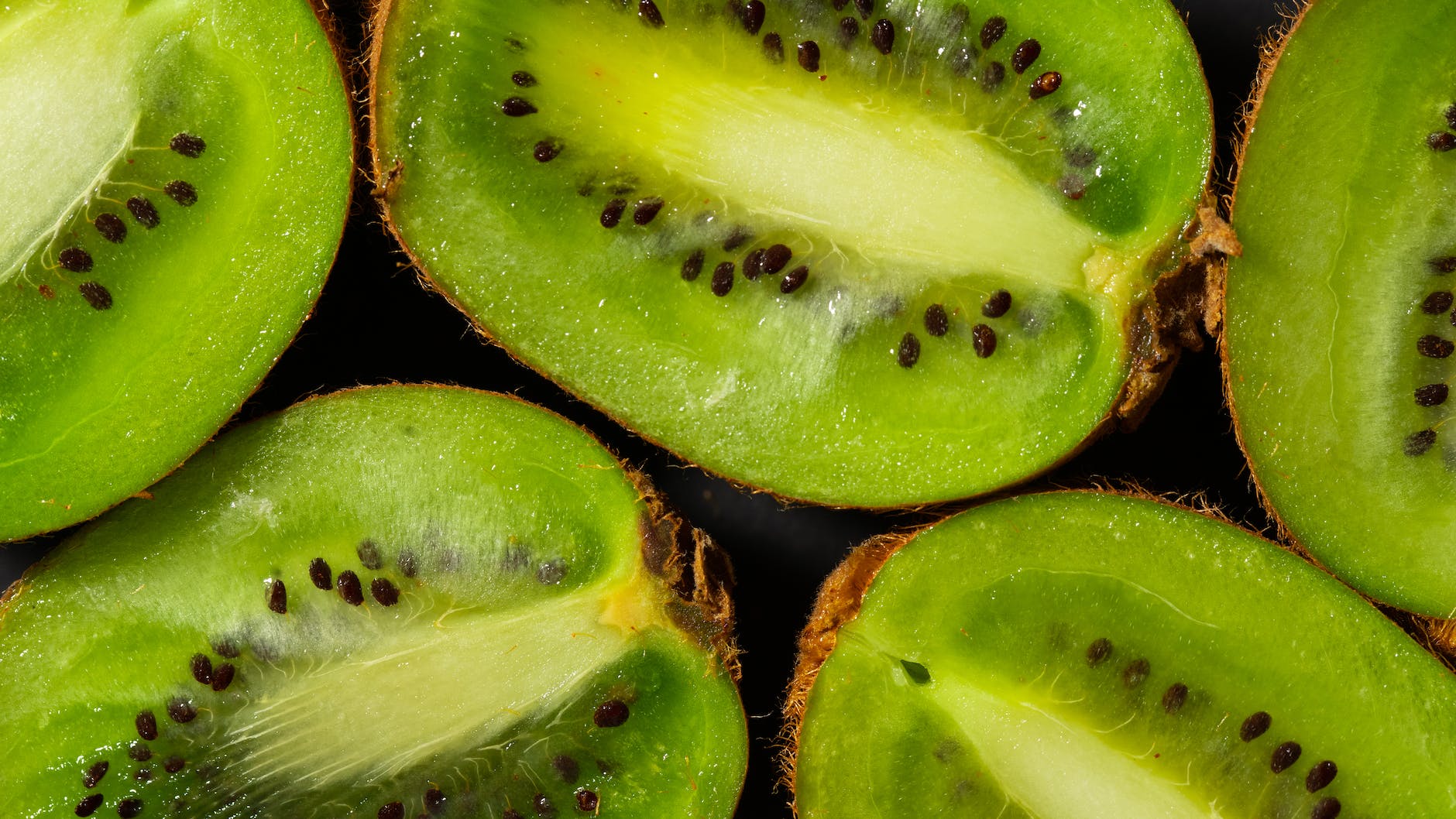
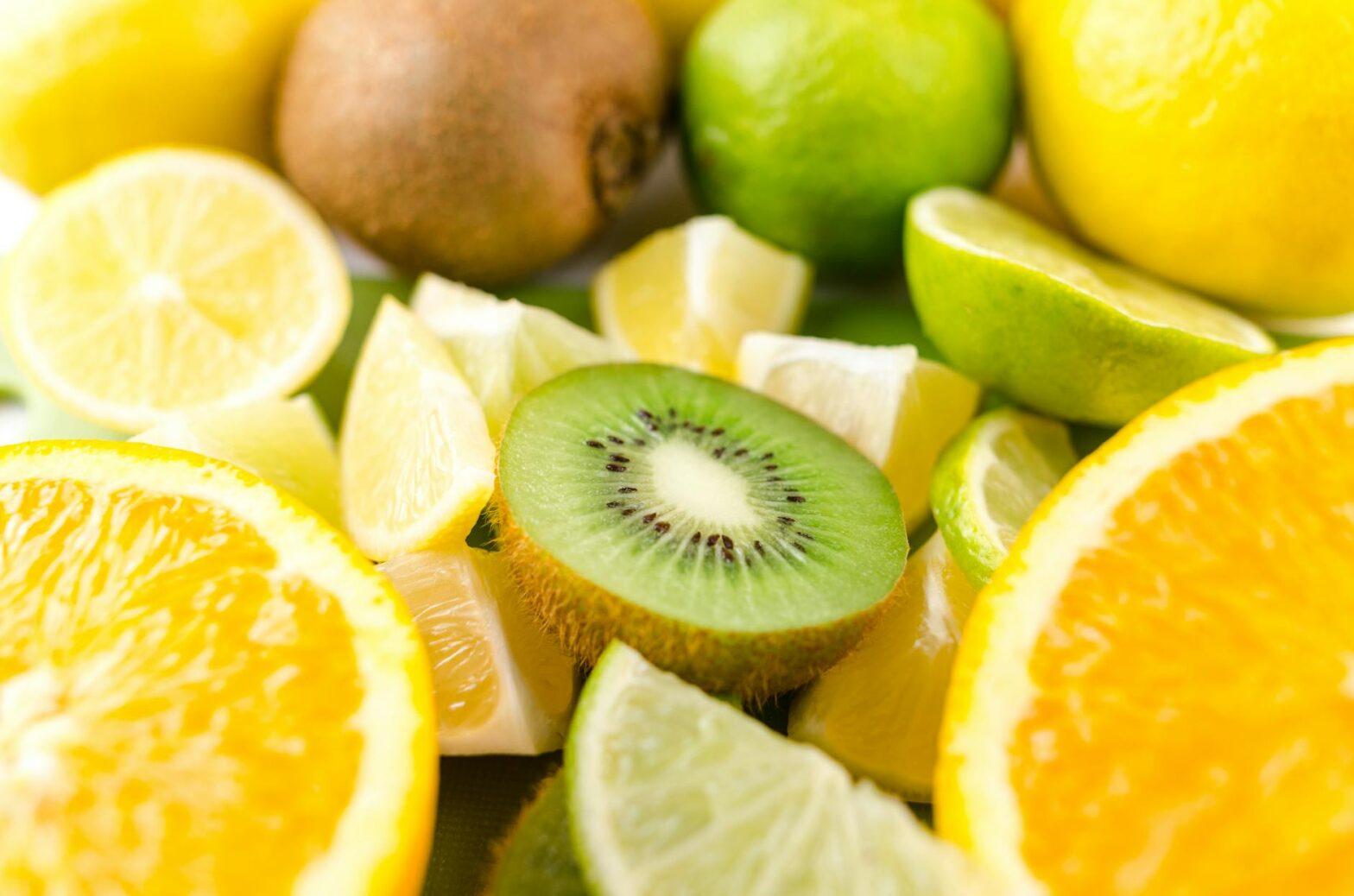
4. Kiwi – Although the fuzzy skin of kiwis isn’t usually consumed, it serves to protect the inner fruit from pesticides. Therefore, conventionally grown kiwis generally have minimal pesticide residue.
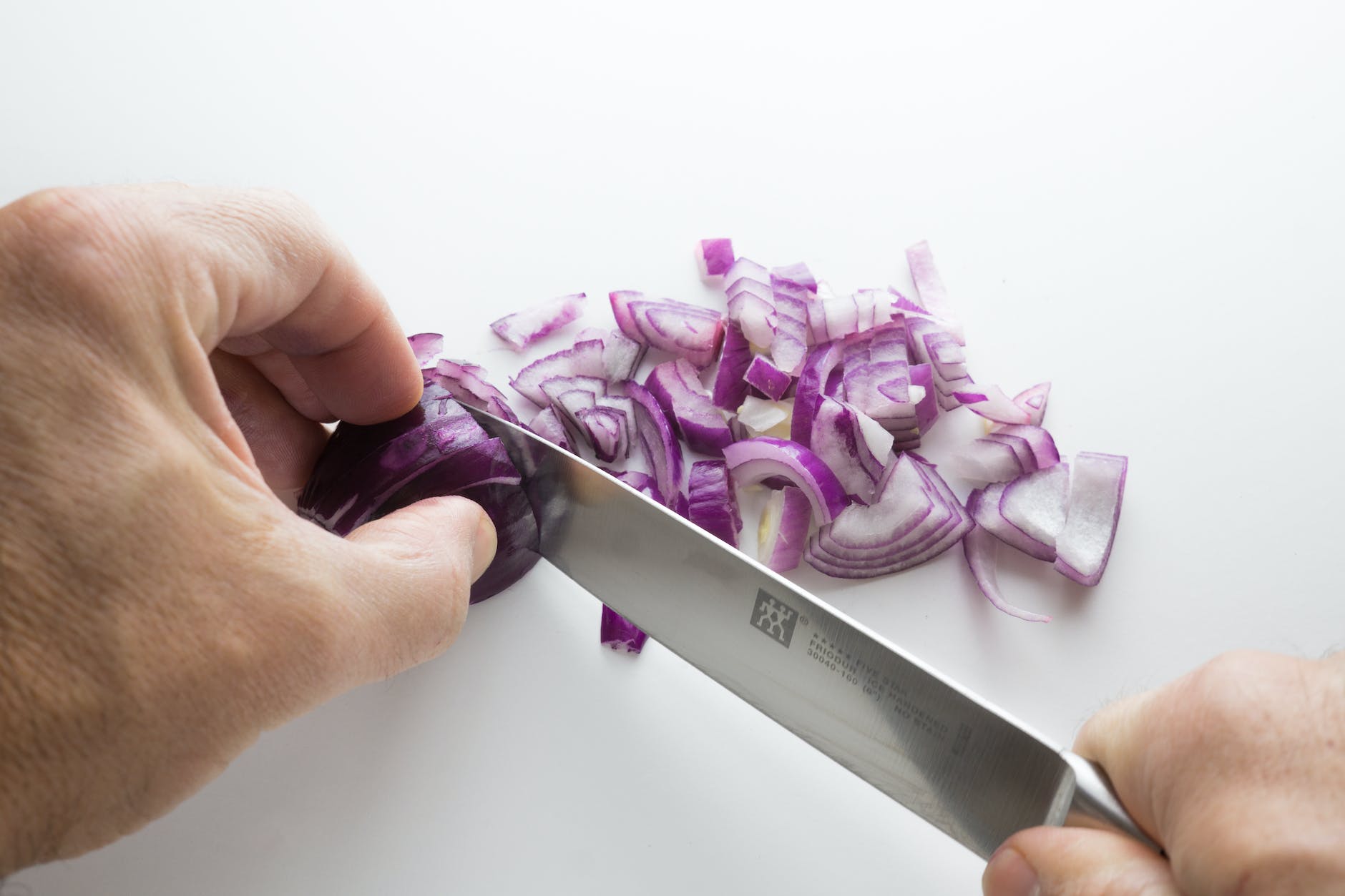
5. Onions – Onions, due to their layered nature and outer skin, have minimal contact with pesticides. Hence, they consistently rank low for pesticide residues.
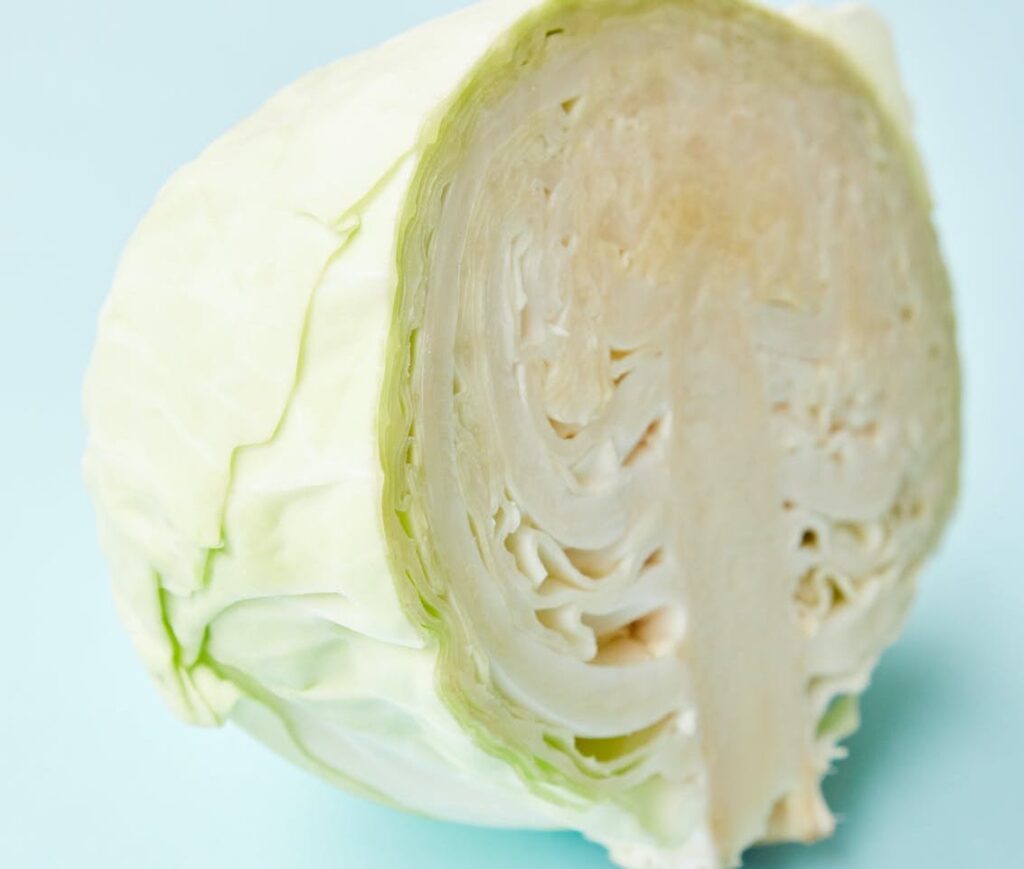
6. Cabbage– Cabbage has a protective outer layer that can be removed, significantly reducing the potential for consuming any pesticides that might have been present.
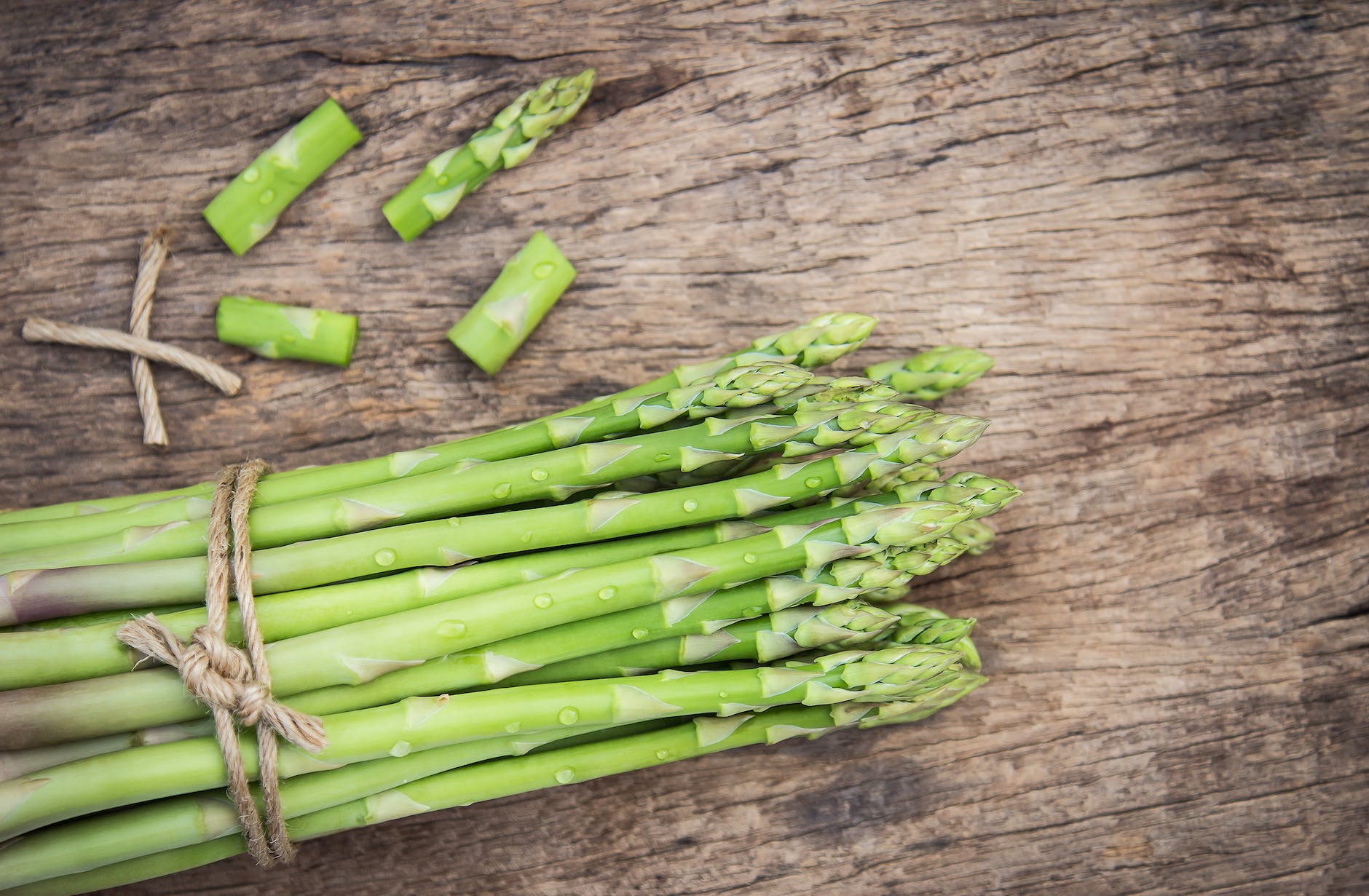
7. Asparagus– Asparagus ranks low in terms of pesticide residues. Its rapid growth rate means less exposure time to pests and, subsequently, fewer pesticides.
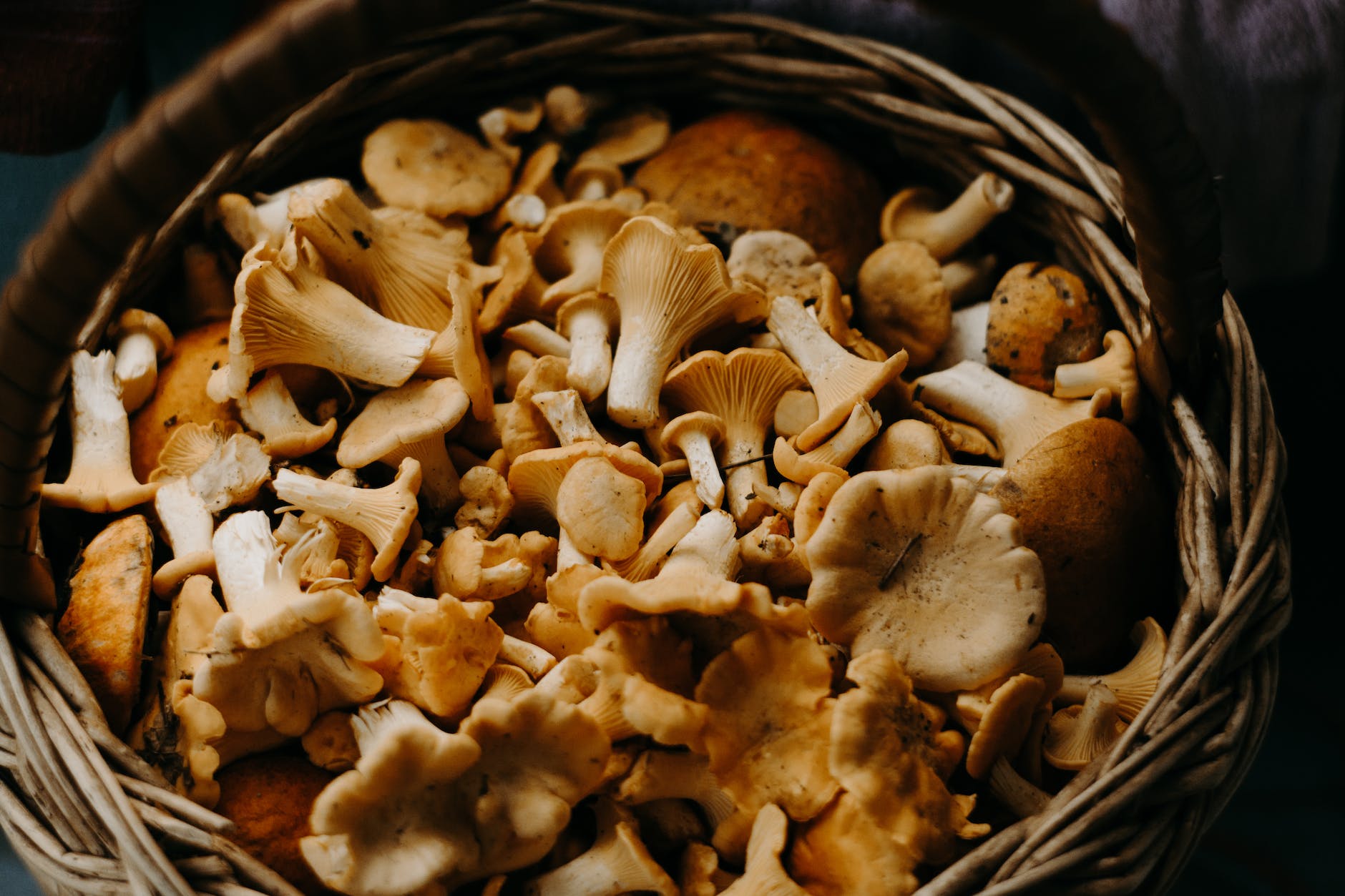
8. Mushrooms– Mushrooms grow in controlled environments, often on specialized growth mediums or composted organic matter. Because of this controlled environment, there is often less need for pesticide applications compared to open-field crops.Most commercially sold mushrooms go through a cleaning process before packaging, which can help reduce any potential surface contaminants.
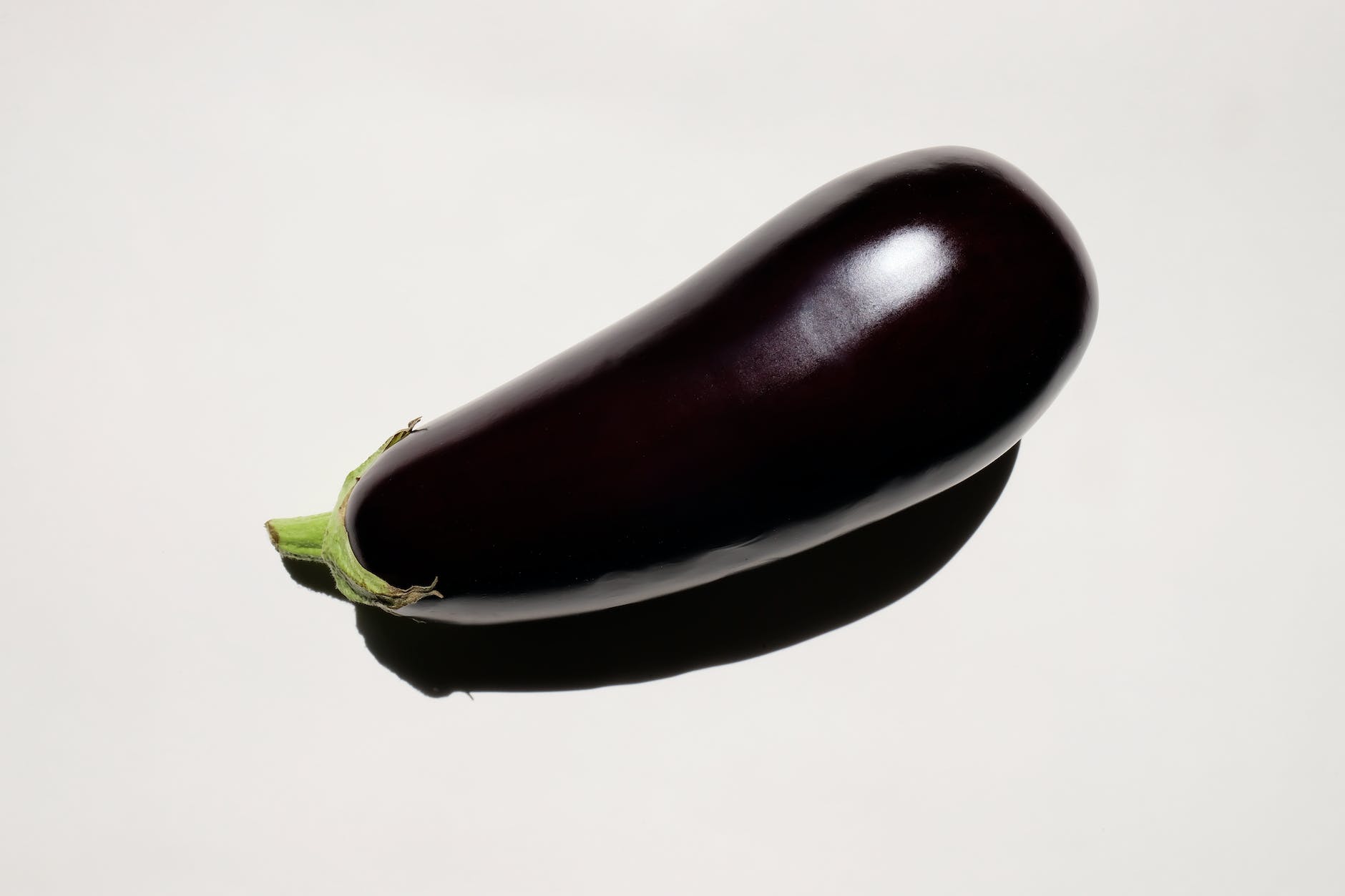
9. Eggplant – With its protective outer skin, eggplants have a natural defense against pests and, consequently, fewer pesticides are used in their cultivation.
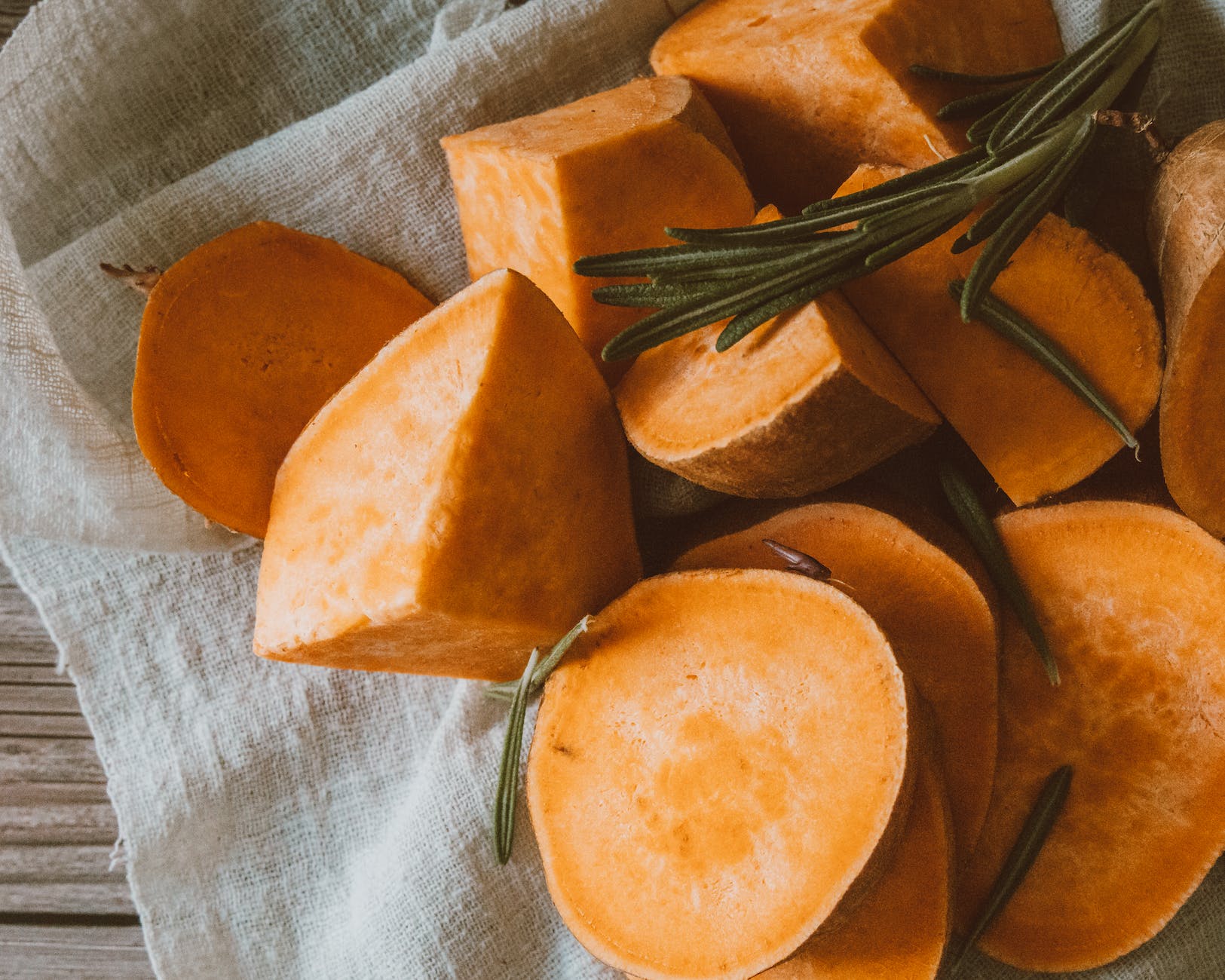
10. Sweet potatoes – Sweet potatoes have fewer pest problems compared to some other crops, which can reduce the need for extensive pesticide applications.
Other low pesticides fruits and vegetables:
Papaya, mangos, honeydew melon, watermelon, zucchini, cauliflower, broccoli, sweet peas
What are other harmful compounds other than pesticides to be aware of?
When buying fruits and vegetables, while pesticides often take center stage in discussions about contaminants, there are several other harmful compounds and factors to consider

Heavy metals
Organic foods are produced without the use of synthetic pesticides, however, the “organic” label doesn’t guarantee a lower concentration of heavy metals as these elements are often naturally occurring and taken up by plants from the soil. Examples include lead, mercury, arsenic, and cadmium. Root vegetables, in particular, can be more prone to absorbing heavy metals from the ground. The presence of heavy metals in both organic and conventional produce largely depends on the composition and contamination levels of the soil in which the crops are grown, reflecting environmental pollution and natural geological variations.
Natural toxins
Some plants produce natural toxins as defense mechanisms. For example, certain types of beans contain lectins that can be toxic unless they are cooked adequately. (Chickpeas have one of the highest concentration of lectins while white green beans or potatoes for example are much lower in lectins).


Fungal and Mycotoxin Contamination:
Certain conditions can lead to the growth of fungi on fruits and vegetables, which might produce mycotoxins. Aflatoxins, produced by some species of Aspergillus fungi, are one such group of toxins that are known carcinogens. The foods most likely to be contaminated with aflatoxin include nuts, especially peanuts, soybeans,
Wax and coating
Some fruits, especially those with a shiny appearance in stores, might be coated with wax or other substances to enhance their appearance and reduce moisture loss. While these coatings are often food-grade and safe, they can trap residues or contaminants.
