
‘Eat more protein to lose weight’ is a common belief about fat loss or weight loss. I have to say – I hear it quite a lot from my clients “I need to eat more protein”. In fact you don’t need as much protein as you might think to lose fat. The truth is that eating more protein than you need will harm your gut, liver and ultimately your fat loss. In this post I will explain the negative effect of excessive protein consumption when following one of the high protein fat loss diets, how you can optimise your diet for fat loss and how much protein you really need to lose fat or weight without compromising your health.
The Truth Behind the High Protein Diet For Fat Loss
I know that within the fitness industry, it’s often recommended to eat up to 2.2g of protein per kilogram of body weight or aim for 150g of protein per day. In my opinion, this is way too much unless you are an athlete.
Yes you need protein to feel full and satisfied and eating protein can help you curb sugar cravings which is of course very important when you want to lose fat.
However, high protein intake itself will not help you directly to burn more fat, burn more calories or lose fat, especially if you don’t exercise and you don’t build muscles.
Eating protein will increase your metabolism but it’s because protein is one of those hardest to digest compounds so your body needs more energy to process it.
Why Eating More Protein Will Not Always Help You To Lose Fat…
You can also think about it as:
If you only increase protein intake without changing your carbs or fat intake, the excess protein will be converted to fat.
Your body does not have the ability to store protein so the excess protein is either excreted if you are in calorie deficit or converted to fat if you are in caloric surplus.
Generally, consuming more than 20-25 grams of protein per meal won’t necessarily add more benefits.
Studies show higher intakes — those more like 30 or 40grams — in one sitting are no more beneficial than the recommended 20–25 grams at one time
High Protein Diet For Fat Loss Can Damage Your Gut
Let’s explore what happens in your gut when you load up on protein.
Breaking down a lot of protein is tough work and can put a strain on your digestive system, especially your liver. When your body breaks down protein, ammonia is produced – a toxic byproduct of protein digestion. Then your liver needs to convert ammonia to non-toxic compound so it can be excreted safely with your kidneys.

Excess Ammonia and Fatigue
Also, if your body struggles with removing excess ammonia from protein digestion it can negatively impact your energy production cycle. That means more risk of low energy and fatigue.
Undigested Protein and Leaky Gut
Moreover if your body can’t digest protein well (either because you ate too much or you are not producing enough digestive enzymes), it will stay in your gut longer than it should. Undigested protein will create more toxins and gradually damage your gut lining leading to leaky gut and more inflammation.
When your body is inflamed or your gut microbiome imbalance, it will be harder to lose fat or weight and it will also affect your metabolism.
High Protein Diet Can Trigger Immune Response
A new study from researchers at the University of Sydney has explored how 10 different diets – including those high in protein, carbohydrates and fat – affect the gut microbiota. The results showed that high protein diet can trigger immune response. The downside of it is that overactivated immune system means you are at increased risk of an inflammatory bowel disease, or other autoimmune conditions like Crohn’s or Hashimoto’s.
So what i’m saying here is if there is little benefit of extra protein or there are other healthier ways to lose fat, then why would you strain your system?
How Much Protein Do You Really Need To Lose Fat or Weight?
So what you want to aim for is really just a balanced diet. Reduce carbs intake a bit but don’t cut them completely out, get around 0.8-1.5g of protein per kg of body weight and the rest – healthy fats. Honestly, for the average person not involved in extreme sports or competitions, this is really sufficient and the best way to lose fat in a healthy way.
The protein intake will depend on the level of your activity, age, current weight etc. But as a rule of thumb I wouldn’t go for more than 100g of protein per day as a women.
- If you don’t exercise much you can keep your protein intake at 0.8-1g / kg of body weight.
- If you are active – 1-1.2g/kg body weight and
- If you exercise 4-5 times per week then use 1.2-1.5g / kg of your body weight to calculate your daily protein intake,
Also, keeping your protein intake around 20-25 grams per meal optimises muscle maintenance and metabolic health without overburdening your body.
I Learnt It The Hard Way
I’m sharing this because I fell victim to the keto, high-protein fat loss diet, intermittent fasting, and vegan diet trends, which ultimately left me with more health issues over time.
The moment I ditched all the diets and focused on balancing my hormones and improving my gut, I finally lost the stubborn belly fat by simply being in a slight calorie deficit (not the 1200 kcal diets I followed before), reducing my sugar intake, eating nutrient-dense foods, and managing stress. In my case, cortisol was the main culprit, disrupting my gut, hormones and thyroid, which unfortunately caused my body to hold onto the fat and excess weight.
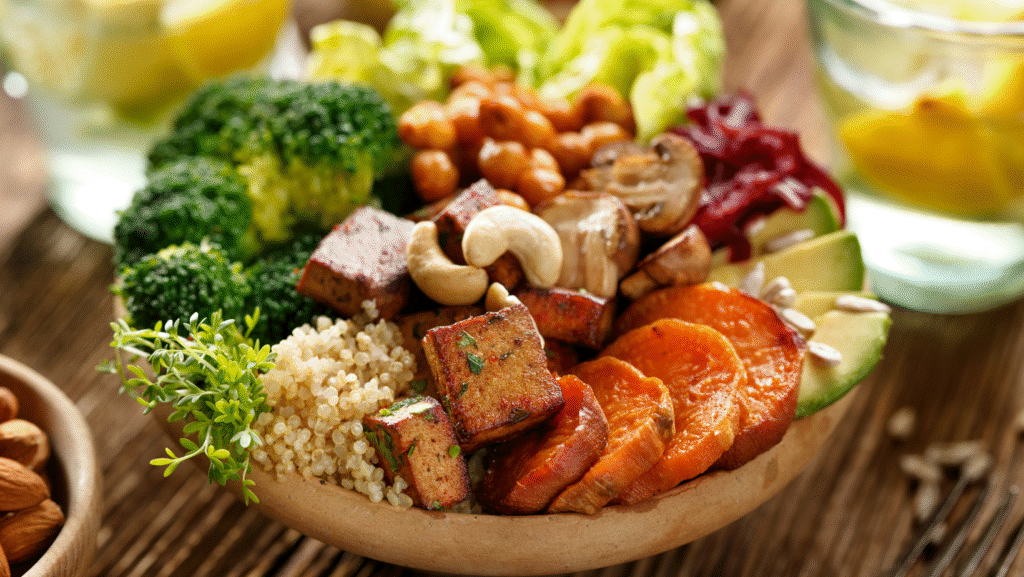
How to Fully Optimise Your Diet For Fat Loss?
If you want to lose fat in an easy and sustainable way you want to make sure first that your gut is healthy, your hormones balanced and inflammation levels are low. As then adding exercise and balanced diet with slight caloric deficit will guarantee you best fat loss results.
Here is a really good test ‘Metabolomix +’ that is quite affordable for the amount of information you get and it will help you optimise your diet based on nutrients your body is lacking and also give you insights if you are getting enough protein and if your body is digesting and utilising protein well.
Ultimately once your body is healthy, you should be able to lose fat or weight easily just with a slight calorie deficit. Nutrient deficiencies lead to other imbalances and increase inflammation. Both will make your fat loss more difficult.
And if for some reason you still can’t lose fat or weight, then that’s an indication that there is some else contributing to fat loss problems. Underactive thyroid, insulin resistance, estrogen dominance or gut dysbiosis are quite common root causes of fat gain and difficulties in losing fat. Anyway this is me saying,
Focus on how you can improve your health to lose fat rather than focus on eating more protein to lose fat.
Lifestyle Factors For Effective Fat Loss
Also, remember, effective fat loss isn’t just about tweaking your diet or protein intake, it’s also regular exercise, adequate hydration, good sleep, and stress management all play crucial roles in achieving and maintaining your ideal weight and body fat.
You can of course lose fat just with the diet but if you want to achieve best results fast then accounting of those other aspects is very important.
Conclusion
To summarise, rather than blindly increasing your protein intake, first assess how much protein you are currently consuming using one of the fitness / food calculators. Then adjust it to how much you need based on your weight and activity level.
While getting enough protein is essential for overall health and fat loss, overdoing it can negatively impact both your fat loss efforts and your health over time. The best diet is one that you can maintain healthily and happily in the long term, with adjustments based on your goals and stage of life.