
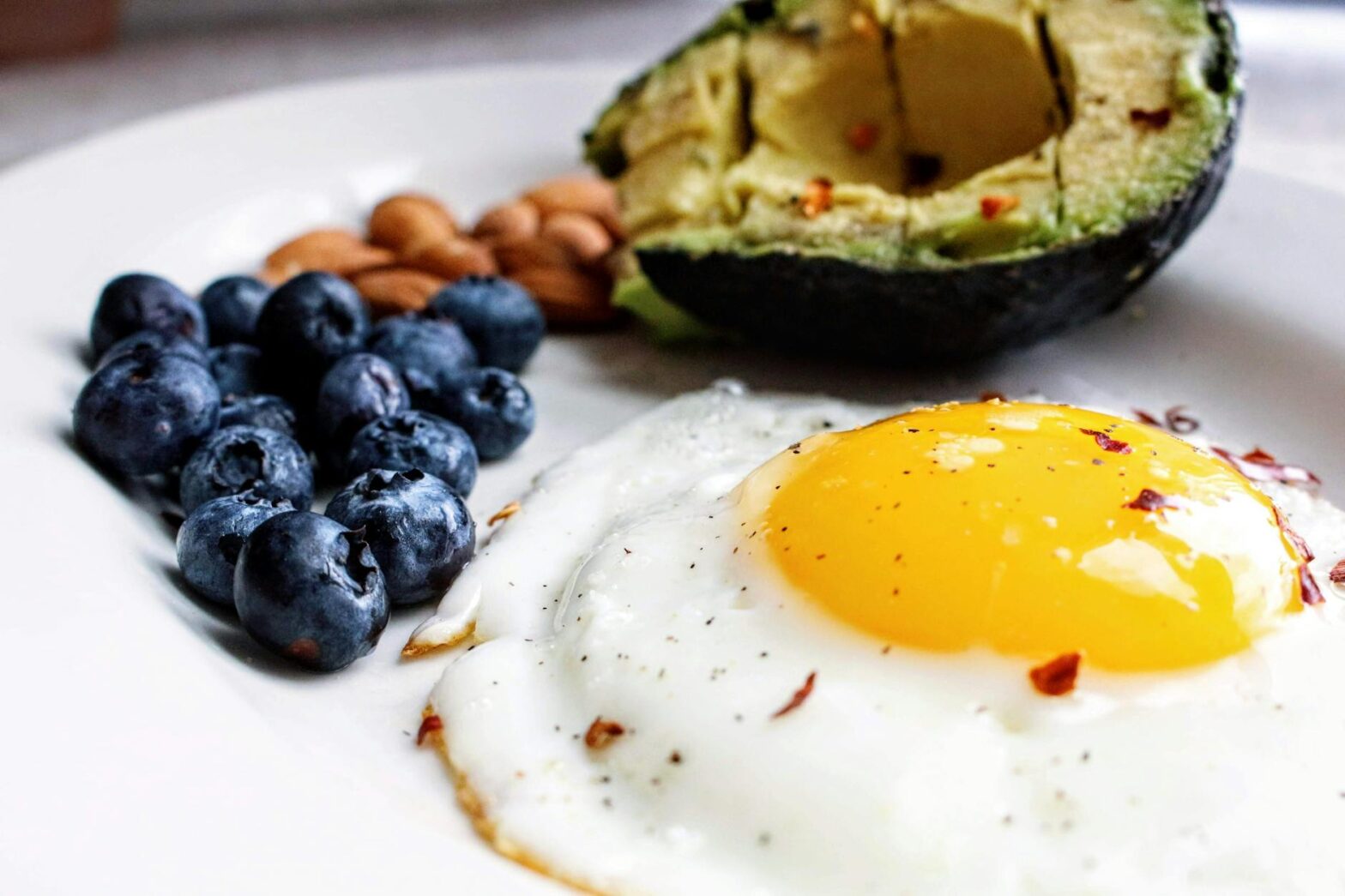
Keto diet gained popularity for its rapid weight loss results but if it comes to hypothyroidism or Hashimoto’s, keto diet might not be the best way to lose weight. Before trying keto, it’s important to consider potential risks of keto and its negative impact on thyroid hormones, inflammation, gut microbiome and also cortisol. As if these are imbalanced, it will ultimately impact also your thyroid health and weight loss. So let’s explore hypothyroidism and keto diet and I will also share few tips how to start your weight loss journey with hypothyroidism.
Hypothyroidism and Keto Diet
The keto diet can unfortunately lower your thyroid hormones, particularly triiodothyronine (T3), the active form that fuels your metabolism. While keto can help you butn fat burning by maintaining low insulin levels due to minimal carb intake, it can also triggers an increase in cortisol levels. Elevated cortisol can then “steal” active T3 hormones, worsening your hypothyroidism and making weight loss increasingly difficult. Initially, you might see some positive changes, but over time, these can plateau or reverse as the body begins to struggle with more stress and more imbalances.
Long-Term Effects: Weighing the Benefits Against the Risks
Many people experience initial weight loss, which is encouraging, but this short-term success may lead to long-term challenges so that something everyone should consider before deciding on keto diet and what are better and more sustainable options to lose weight. Women’s body unfortunately is more sensitive to stress because of menstrual cycle and hormone fluctuations. That means, women are at higher risk of higher cortisol while being on keto. And as just mentioned earlier, higher cortisol can make hypothyroidism worse by “stealing” active T3 hormones. It will result in slower metabolism and sometimes even more fatigue. That something that happened to me when I was on keto diet. Initially, feeling great but after a while, not only my fat loss plateau, but also I actually started to gain more fat which was as you can imagine really frustrating.
Inflammation: The Hidden Concerns
Another aspect that you definitely should consider is inflammation. Inflammation can directly cause weight gain or prevent you from losing weight but also indirectly by lowering T4 to T3 hormone conversion that then will impact your metabolism. And if it comes to keto diet, it can be a bit confusing as some research say that keto can lower inflammation but also some research shows that keto diet can increase inflammation.
The truth is that it will depend on couple of factors: your gut microbiome, you antioxidant and vegetables intake on keto and also overall stress levels. Keto diet has been shown to reduce beneficial Bifidobacteria, leading to an overpopulation of harmful bacteria, which can increase inflammation. Additionally, keto diet can damage gut wall integrity, potentially leading to leaky gut—more inflammation. That all can result in weight loss resistance.
The also fat oxidation – if high fat intake is not balanced with enough antioxidants – that can increase inflammation too. Similarly with protein, if high protein intake (low ph) is not balanced with enough of greens or vegetables that can also increase inflammation.
Weight Loss with Hypothyroidism – What’s better if not Keto Diet?
Improving thyroid function should be at the forefront of any weight loss plan for those with hypothyroidism or Hashimoto’s. Otherwise, losing weight without improving your thyroid first can be as difficult as climbing a mountain with a heavy backpack – hard and exhausting. You can check here the key points how to improve hypothyroidism naturally. And below sharing some key tips how to start you weight loss journey with hypothyroidism or Hashimoto’s
- Reduce Gluten and Refined Sugars: These can cause more inflammation and hormonal imbalances that directly impact thyroid health.
- Optimize Carb Intake: Too few carbs can suppress thyroid function, while too many can lead to weight gain. Finding a middle ground that supports metabolic health without compromising thyroid function is the key.
- Prioritize Rest and Manage Stress: Quality sleep and stress management are crucial. I highly recommend to aim to go to bed before 11pm, building more awareness around common daily stressors and focusing on regulating your nervous system. Adequate rest and stress management can significantly lower cortisol levels and improve hypothyroidism.
- Incorporate Nutrient-Dense Foods: Include foods rich in selenium, zinc, and omega-3s, which support thyroid health and reduce inflammation. Here you can read more about diet for hypothyroidism.
- Boost Gut Health with Probiotics: A healthy gut is crucial for converting T4 to T3 thyroid hormones and managing weight effectively. Include fermented foods like kimchi or goat kefir in your diet to support this.
Hypothyroidism and Keto Diet – Key Takeaway
If you’re considering a keto diet for weight loss with hypothyroidism, it’s essential to understand the potential risks and balance them against healthier, more sustainable approaches. Tailoring your diet to support thyroid health and reduce inflammation can provide lasting benefits without the drawbacks of extreme dietary restrictions. For me personally, the real transformation started when I stopped following diets, focused on what my body needs and I started prioritising managing my cortisol.