
A few years ago, I embraced a vegan lifestyle, convinced it was the healthiest choice. I thought meat is bad. Little did I know, this decision was actually setting the stage for my hypothyroidism and weight gain. Why? Because I was unknowingly depleting my body of crucial nutrients. Not just protein, but specific elements vital for healthy thyroid function, fast metabolism and lean body. So if you struggle with weight loss and wonder what to eat with hypothyroidism, stay with me.
In this post I will explain why meat and animal protein completely out is not a good idea and also what are the healthy types of meat you can consume in moderation. That way you can improve your hypothyroidism and lose weight with more ease:)
Why Meat Is Considered To Be Unhealthy?
One of the biggest mistakes many people make is focusing too much on one aspect of things—either the benefits of meat or its harmful effects. The truth is, no food is 100% good or bad. It’s really about weighing the pros and cons and choosing the foods rich in nutrients that your body needs most.
- For example, if your body lacks iron, reducing meat intake like organic grass fed beef and replacing it with plant protein source like tofu is not a good choice. On the other hand if you suffer from gut dysbiosis and lack of bifidobacteria, too much meat can exacerbate the issue.
- Another important factor is the source and type of meat. Regular chicken, which is often full of hormones and antibiotics, is not a good choice, but organic, free-range chicken is a much better option.
- How you prepare your meat and what types of oils you use to prepare meat also matter, as they can influence the levels of toxic compounds released during cooking.
You can read here more about What Are The Healthiest And Most Toxic Oils For Cooking
- Finally, what also matters is what else you eat together with your meat and how you balance your meals. Too much meat can be acidic, but if you balance it with the right alkalising foods, you can minimise the negative effect of meat and maximize the nutritional value of your meal.
What To Eat With Hypothyroidism – Key Nutrients
So let’s focus on thyroid. Nutrient deficiencies like low iodine, zinc, iron, selenium and tyrosine are one of the main causes of hypothyroidism and hypothyroid weight gain. Iodine and selenium, yes you can get from plants but zinc or iron are not so easy to get it from plant sources. So if you want to lose weight with hypothyroidism, it’s important to know what to eat and ensure you get enough of those key nutrients in bioavailable form.
Here you can read more about Hypothyroidism Diet and what foods to eat with hypothyroidism
Bioavailable Iron Is Found In Meat, Not Plants
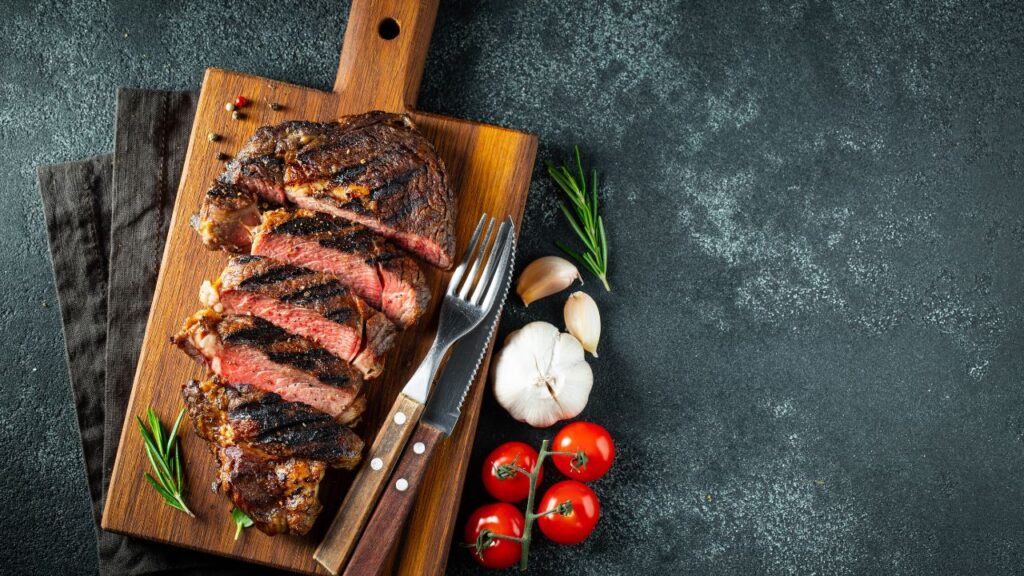
Iron is one of the key nutrients needed for thyroid peroxidase (TPO) that is involved in thyroid hormones synthesis. Women also lose a lot of iron during period so it’s especally important for women to get enough iron and….the best source of bioavailable iron is animal food, beef specifically. I will explain how to choose the healthy beef in a bit.
When it comes to iron form, the type found in plant sources is not well absorbed. Our bodies need heme iron, which is only available in animal products. While iron supplements are an option, they come with their own risks, like constipation, inflammation and oxidative stress, making regular blood monitoring a necessity if you decide to supplement iron. That’s why including moderate amount of animal protein like grass fed organic beef can benefit your thyroid and your weight loss massively.
Zinc and Thyroid Hormone Conversion
Zinc is another important nutrient, essential for converting T4 to T3 thyroid hormones. If your body is efficient at converting inactive T4 to active T3, you can enjoy fast metabolism and more energy. Unfortunately, the abundant food source of zinc are meats like beef or lamb for example. Plant sources like pumpkin or hemp seeds contain zinc but you would need to consume unrealistic amounts daily, especially when factoring in the inhibitory effects of phytates and oxalates on zinc absorption. Zinc is also needed for healthy insulin metabolism which is very important for effective weight loss and improving hypothyroidism.
Role of Progesterone-Estrogen Balance in Hypothyroidism Weight Loss
Here is interesting thing about zinc and hypothyroidism. Zinc deficiency impairs progesterone production and can lead to oestrogen dominance. Excess oestrogen binds to thyroid receptors preventing thyroid hormones to enter the cell and do the job. As you may already know, excess estrogen can worsen hypothyroidism and make weight loss much harder. With excess estrogen, your body tends to store more fat, especially around belly area.

Other Thyroid Nutrients Found Only in Meat.
Certain amino acids critical for thyroid health—such as taurine and carnitine—are absent in plant foods.
- Taurine is vital for adrenal and nervous system health and helps regulate cortisol, a stress hormone that when unbalanced, can exacerbate hypothyrodism and stop your weight loss.
- Carnitine plays a key role in energy production and utilising fats in energy production. What does it mean? It means that if you get enough carnitine your body will be better at burning fat.
Animal products are also rich in other amino acids like tyrosine and glutamine, necessary for thyroid hormone production and gut health.
Also, let’s not forget about choline and vitamin K2, found abundantly in meat, eggs, and fish. All of them are essential for liver health and also your thyroid.
Gut Inflammation Weight Gain Connection
Moreover, to improve hypothyroidism and lose weight, apart from key nutrients, you also need to keep inflammation in check. Vegan and vegeterian diets that apart usually rely on high consumptions of grains, legumes and tofu.
If it comes to weight loss, excess inflammation can be one of the key factors preventing you from losing weight effectively!
Cutting out meat and animal protein from your diet and consuming too many grains and tofu can actually harm your gut and block nutrient absorption!
This brings us to lectins, a type of protein found in many plant-based foods that in excess can damage your gut and cause gut inflammation. Excess lectins consumption can even lead to leaky gut, fatigue, food intolerances and much more!
Other Anti-nutrients You Shouldn’ Eat In Excess With Hypothyroidism
But lectins aren’t the only culprits. Phytates and oxalates, also present in plant foods, can hinder the absorption of crucial minerals like iron and zinc—both vital for improving hypothyroidism and weight loss!
Moreover, tofu and other cruciferous vegetables can impair iodine absorption if consumed in excess.
- Instead of broccoli, choose broccoli sprouts.
- Instead of raw spinach, choose endive for your salad and
- Instead of chickpeas hummus, make your own chestnut hummus or home made hummus where you soak chickpeas for 24h as that helps to remove lectins and other anti-nutrient
So I’m not saying don’t eat vegetables
What I’m saying is that If we cut one food group out, we need to replace it with something else. If we replace meat with beans, legumes or even tofu,it can have negative impact on your gut and your thyroid.
I’m also not an advocate for carnivore diet as a long term solution but also relying purely on plants is not healthy in a long term either. It’s always about balancing and weighing the pros and cons of each food you eat.
So…Should You Eat Meat with Hypothyroidism?
The answer isn’t about cutting out or indulging excessively in any one food group but finding a balanced diet that supports your thyroid and overall health.
A 100% vegetarian diet might lead you to miss out on crucial nutrients unless meticulously planned. Carnivore diet has it’s benefits but long term if you don’t balance it with the right amount of fruits and vegetables it can cause more inflammation and deprive your gut from certain spices of beneficial gut bacteria.
Overall, moderate good quality meat consumption is certainly beneficial if it comes to hypothyroidism and getting enough of the key thyroid nutrients.
What is the healthiest type of meat to eat?
Choosing high quality and the right type of meat is crucial if it comes to getting the most out of it and minimising the negative effects
- First, choose organic meats in general as the less antibiotics and other toxins the better.
- Secondly, choose grass fed meats as that these have better omega 3:6 ratio which is important to keep inflammation in check. In UK, I love Dorset Meat Company as they have 100% grass fed meats.
You would be surprised but if the meat is not labeled as 100% grass fed but labeled only as ‘grass-fed’, it may actually be 51% grass-fed and 49% corn & soy fed.
- Then, from meat types beef is really nutritious. Lamb and wild game are also good choices. Organ meats are the most nutritious but only if you choose organic and get them from trusted source. Chicken is usually my least preferred choice but at as mentioned it’s all about balance and not over consuming just one type of meat or foods in general.
Summary
At the end of the day the most important is not to follow any diet trend or focus too much on one aspect of foods but consider what your body needs the most.
Generally speaking, if it comes to what to eat with hypothyroidism, incorporating moderate amounts of high-quality meat and animal products like eggs for example when balanced with green vegetables, it can provide the nutrients your body needs for optimal thyroid function and your weight loss. That way you don’t over consume plant-based protein sources or rely too much on supplements.
Remember, every body responds differently, so it’s crucial to consider your unique health needs and tailor a diet that best supports your thyroid function and general wellness. It’s all about finding that sweet spot where your diet supports all aspects of your health without feeling restrictive.
If you need help with optimising your diet for hypothyroidism and effective weight loss, message me or book a FREE clarity session with me where we can discuss your case:)
One thought on “What To Eat With Hypothyroidism. Is Meat Really Unhealthy?”